The problem
The whole animal


Learning to use AI well can feel overwhelming at first, so let's begin with a simple metaphor. Or, more precisely, three.
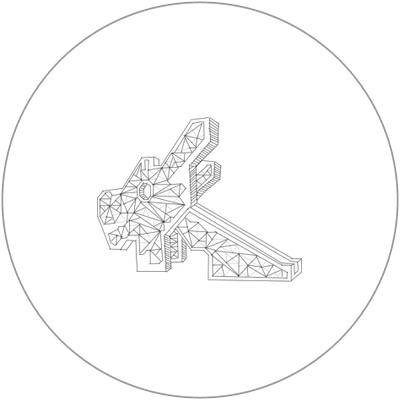
We'll use three animals to represent how you work with AI at different levels: an elephant, a pelican, and a dragon.
The elephant is you. In the parable of the blind men and the elephant, one man feels the elephant's leg and concludes it is a tree. Another holds the tail and decides it is a rope. A third touches its side and declares it a wall. Each describes the part they touched, not the whole animal.
Many people approach AI the same way. A marketer asks it to draft copy for the company's new website. A researcher asks it for a client report. A developer asks it to write code for a new feature.
In each case, the AI follows instructions and produces output. The marketer sees polished copy, the researcher sees an in-depth report with citations, and the developer sees a codebase that runs. Each accepts the result as is, assumes they have worked with AI well, and believes their productivity has improved.
But did each professional give the AI enough context? Did they leave it to make assumptions or decisions that should have been human-led? Did they check the output for errors and hallucinations? Did they consider the potential risk of shipping the work as is?
Far too few people ask these questions, and it can be easy to see why. The output from a single prompt, whether copy, code, or an image, almost always looks polished and convincing. The hard truth is that creating something of value with AI takes effort and iteration.
The marketer sees a copywriting machine, the researcher a research and synthesis machine, and the developer a coding machine. All three fail to recognise that AI is closer to a junior employee or intern. It needs context, direction, and a feedback loop to create something of value. Without such an approach, all you are doing is generating AI slop.
The pelican is your team. White pelicans are known for cooperative herding, where they work together to herd fish into the shallows where they are easy to catch. What each bird does helps the others feed.
Think about how you and your team use AI. Are you open and transparent with each other about how and when you use it? Or does the use of AI happen in the shadows, invisible to your peers? Some people may feel embarrassed that they used AI to generate work, or feel pressure to work independently without AI. So instead, they use it quietly and don't declare when, where, or how it was used. This is what we call shadow AI.
But teams benefit greatly from being open and transparent in their use of AI. Transparency creates awareness, and it helps create a feedback loop that can prevent errors or risks from going unchecked. So overall, teams that work together with AI perform better and mitigate risks, just like the white pelicans who fish together.
The dragon is your organisation. Picture a traditional dragon dance, the kind you might see at Lunar New Year. Each performer carries part of the dragon on a pole, and making it move as one takes coordination and practice. Buying the costume only gets you so far.
An organisation faces a similar problem when it introduces AI. It can invest in the best models and tools, but without changing the way people work, those investments will go to waste. The Boston Consulting Group's (BCG's) 70/20/10 rule captures this dynamic well. When it comes to AI adoption, their research found that AI pacesetting companies focus roughly 10% of their efforts on algorithms, 20% on technology and data, and 70% on people and process.
That disproportionate focus on people and process is being missed by a lot of companies investing in AI. And one of the most important aspects of getting your team ready to use AI well is teaching them about judgement.
And this is where the four dimensions of AI fluency come in: understand AI, work with AI, evaluate AI, and own AI risk. These dimensions correspond to key judgement calls a person must make before, during, and after they delegate a task to AI. We'll return to these four dimensions throughout this book as we move from the individual to the team, and then to the organisation.
Now you understand the whole animal that is AI. Working with it well isn't just about learning how to write a good prompt or build an agent. It involves thinking about how you use it and apply sound judgement, as well as considering how your peers and your company use it collaboratively.
So let's start with you (the elephant) and go deep into what AI fluency means for an individual using it at work.